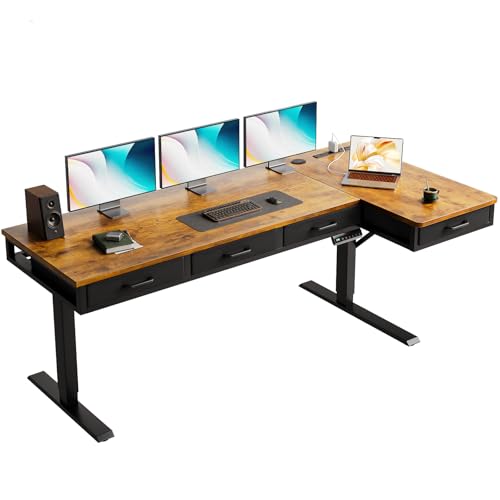

If you live with sciatica, you know the drill: after an hour at your desk, that sharp, shooting pain radiates down your leg, making it impossible to focus. The culprit is often your chair. A poorly designed seat puts pressure on your lower back and compresses the sciatic nerve. The fix? An ergonomic office chair that supports your spine’s natural curve and distributes your weight evenly. In this guide, we’ve reviewed the top office chairs for sciatica relief, focusing on models with exceptional lumbar support, adjustable features, and pressure-relieving materials. Whether you’re working from home or in a corporate office, we’ll help you find a chair that lets you sit comfortably and pain-free.


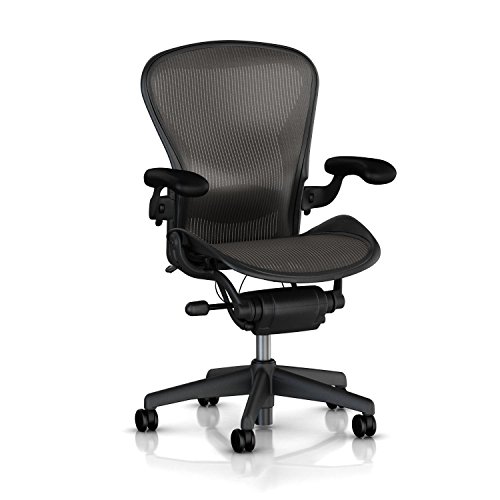


Buying Guide: What to Look for in an Office Chair for Sciatica
Lumbar Support That Adapts
The most critical feature for sciatica is lumbar support that fits the curve of your lower back. A static, one-size-fits-all pad won’t cut it. Look for chairs with adjustable lumbar support, either in height, depth, or both. Some advanced models, like the SIHOO Doro C300 Pro V2, feature self-adaptive lumbar support that moves with you as you shift positions, ensuring continuous contact and reducing pressure on the sciatic nerve.
When evaluating lumbar support, consider how it feels when you recline or lean forward. The best designs maintain contact with your back in every posture. For more on back pain relief, check out our guide to the best office chairs for back pain.
Seat Depth and Cushioning
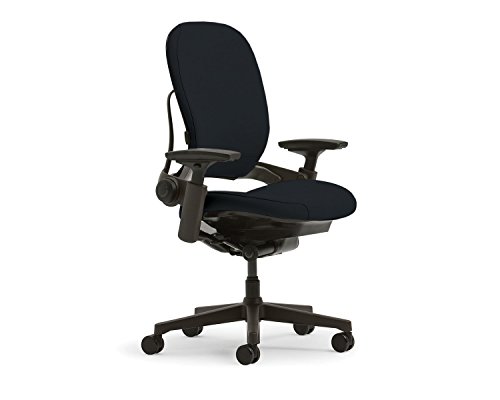
The seat pan should be deep enough to support your thighs without pressing behind your knees, which can restrict circulation and aggravate sciatica. Look for a chair with adjustable seat depth, like the Steelcase Leap, which allows you to slide the seat forward or backward. A waterfall-edge seat, as found on the SIHOO M57, also helps reduce pressure on the back of your thighs.
Cushioning matters too. A seat that’s too hard can increase pressure points, while one that’s too soft may not provide enough support. High-density foam or breathable mesh are good choices. For a deeper dive into seat comfort, read our article on ergonomic chairs with superior seat cushions.
Adjustability for a Personalized Fit
No two bodies are alike, so a chair that lets you customize everything is essential. Look for adjustable armrests (height, width, and angle), a headrest that supports your neck, and a recline mechanism that allows you to change positions throughout the day. The ELABEST X100 offers 5D flip-up armrests and a 3D lumbar support, giving you a wide range of adjustments to find your perfect posture.
Easy-to-reach controls are a plus, so you can tweak the chair without interrupting your workflow. The SIHOO Doro C300 Pro V2 places frequently used controls on a single handle for quick adjustments.
Material and Breathability
Sitting for long hours can cause heat and sweat buildup, which leads to discomfort and restlessness. Mesh backrests are highly breathable and help keep you cool, while also conforming to your body’s shape. The ELABEST X100 features a dual-stripe AirMesh that offers excellent airflow. If you prefer a more cushioned feel, look for a chair with breathable fabric or leather with perforations.
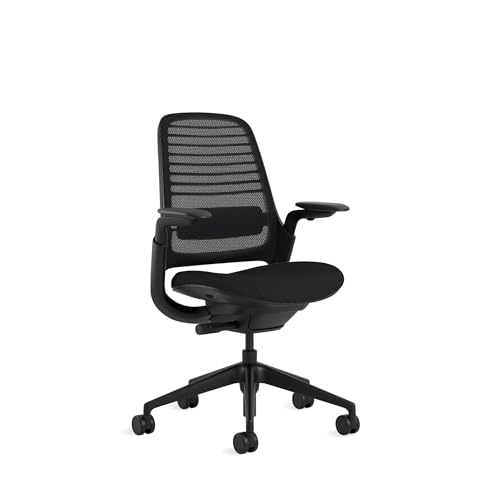
Durability is also a factor. Chairs like the Steelcase Series 1 are built with high-quality materials that withstand daily use. For a detailed look at a popular mesh option, see our SIHOO Doro C300 review.
Final Thoughts
Finding the right chair can make a world of difference in managing sciatica. If you want a chair that adapts to your every move, the SIHOO Doro C300 Pro V2 Ergonomic Office Chair is a standout with its self-adaptive lumbar support and 8D armrests. For a more classic, office-tested option that offers exceptional adjustability, the Steelcase Leap Office Chair is a wise investment. Both provide the targeted support your lower back needs, helping you work longer with less pain.
Related Guides
- Top SIHOO Office Chairs for Every Workspace in 2026
- ELABEST X100 Ergonomic Office Chair Review
- Steelcase Amia Chair Review
Frequently Asked Questions
What type of office chair is best for sciatica?
The best office chair for sciatica is one that offers strong, adjustable lumbar support, a contoured seat, and the ability to recline and change positions. Look for ergonomic chairs with features like a waterfall seat edge, breathable mesh back, and adjustable armrests to reduce pressure on your lower back and legs.
Should I get a chair with a high back or mid-back for sciatica?
For sciatica, a high-back chair is often recommended because it provides support for your entire spine, including the upper back and neck. This helps maintain proper alignment and reduces the risk of slouching, which can aggravate the sciatic nerve. However, a mid-back chair with excellent lumbar support can also work if you have good posture.
Can an ergonomic chair really help with sciatica pain?
Yes, an ergonomic chair can significantly help with sciatica pain by promoting a neutral spine position and reducing pressure on the sciatic nerve. Chairs with adjustable lumbar support and seat depth allow you to customize the fit to your body, which can alleviate discomfort during long periods of sitting. For more insights, explore our guide on Herman Miller alternatives that also offer excellent ergonomics.
What is the best way to sit in an office chair with sciatica?
Sit with your feet flat on the floor, knees at a 90-degree angle, and your back fully supported by the chair’s lumbar support. Avoid crossing your legs and take regular breaks to stand and stretch. Adjust your chair so that your hips are slightly higher than your knees, which reduces pressure on the lower back.