

Living with spinal stenosis often means every hour at a desk can turn into a battle against stiffness, numbness, and sharp lower back pain. The right chair can be a game-changer, supporting your spine in a neutral position and reducing pressure on sensitive nerves. In this guide, we review the best ergonomic chair for spinal stenosis, focusing on models with adaptive lumbar support, adjustable recline, and posture-correcting features. Whether you work long hours or just need relief during your daily commute, these picks are designed to keep you comfortable and productive.
We’ve evaluated seven top contenders from brands like Herman Miller, Steelcase, SIHOO, and Secretlab, each offering unique benefits for spinal stenosis sufferers. Our goal is to help you find a chair that not only feels good but actively supports your spine’s natural curve. For more insights on posture-friendly seating, check out our guide on the best office chair for posture.


Buying Guide: What to Look for in an Ergonomic Chair for Spinal Stenosis
Lumbar Support: The Core of Spinal Stenosis Relief
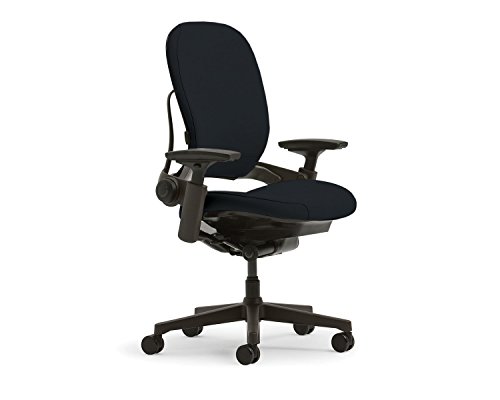
Your lower back bears the brunt of spinal stenosis, so lumbar support is non-negotiable. Look for chairs with adjustable lumbar pads that can be positioned to fit the natural curve of your spine. The SIHOO Doro C300 Pro V2 features Self-Adaptive Lumbar Support 2.0, which moves with you as you shift, maintaining constant contact. Similarly, the Steelcase Leap includes a lower back firmness dial for customized support.
Chairs with a one-size-fits-all backrest often fail to provide adequate support. The Herman Miller Aeron uses Adjustable PostureFit Sacral/Lumbar support, with two independent pads that flex to fit your spine’s curve. This targeted support can reduce the pressure on affected nerves, making long sitting sessions more tolerable.
Recline and Tilt: Dynamic Movement for Your Spine
A chair that allows you to recline and adjust the tilt is crucial for spinal stenosis. The Secretlab Titan Evo series offers a recline range up to 165 degrees, letting you shift your weight and relieve pressure. The Herman Miller Embody’s “working recline” reduces spine compression and slows fluid loss from discs, a key benefit for spinal health.
Look for chairs with weight-activated controls, like the Steelcase Series 1, which automatically adjusts recline resistance based on your body weight. This ensures smooth, natural movement without constant manual adjustments, allowing you to focus on your work rather than your chair.
Seat Depth and Armrests: Proper Alignment for Your Frame
Seat depth adjustment is vital to ensure your knees are at a 90-degree angle and your back is fully supported. The SIHOO Doro C300 Pro V2 offers adjustable seat depth, while the Herman Miller Aeron comes in multiple sizes (A, B, C) to fit different body types. For petite users, check out our best ergonomic office chair for petite woman guide for tailored recommendations.
Armrests should be adjustable in height, width, and angle to support your arms without raising your shoulders. The Steelcase Series 1 offers 4-dimensional arm support, while the Secretlab Titan Evo comes with 4D armrests. Proper armrest positioning can reduce strain on your neck and upper back, which often compensates for lower back pain.
For those with arthritis or joint issues, similar ergonomic principles apply. Our best office chair for arthritis article highlights chairs that ease pressure on sensitive joints, which can be beneficial for spinal stenosis as well.
Final Thoughts
After reviewing these ergonomic chairs, we believe the Herman Miller Aeron Ergonomic Chair – Size B stands out for its exceptional lumbar support and adjustable features, making it a top choice for spinal stenosis sufferers who need premium comfort. For a more budget-friendly option without compromising on support, the SIHOO Doro C300 Pro V2 Ergonomic Office Chair offers adaptive lumbar support and a recline that moves with you, ideal for long workdays. Both chairs prioritize spinal alignment, helping you manage pain and stay productive.
Related Guides
- Top SIHOO Office Chairs for Every Workspace in 2026
- ELABEST X100 Ergonomic Office Chair Review
- Steelcase Gesture Chair Review
Frequently Asked Questions
What makes an ergonomic chair good for spinal stenosis?
An ergonomic chair for spinal stenosis should provide adjustable lumbar support to maintain the natural curve of your lower back, a recline feature to reduce spinal compression, and seat depth adjustment to ensure proper leg positioning. These features help alleviate pressure on the spine and nerves, reducing pain during prolonged sitting.
Can a chair cure spinal stenosis?
No, a chair cannot cure spinal stenosis, but it can significantly relieve symptoms by promoting better posture and reducing pressure on the affected area. The best ergonomic chair for spinal stenosis will support your spine’s natural alignment, which can decrease pain and improve comfort during daily activities.
Should I choose a mesh or foam chair for spinal stenosis?
Both mesh and foam chairs can work well, but mesh offers better breathability and conforms to your body, which can be beneficial for pressure distribution. Foam, like the cold-cure foam in Secretlab chairs, provides firm support and maintains its shape. Choose based on your preference for firmness and airflow.
How do I know if a chair fits my body?
Check the chair’s seat height range, seat depth, and backrest height. Your feet should rest flat on the floor, knees at a 90-degree angle, and the lumbar support should sit in the curve of your lower back. Many chairs, like the Herman Miller Aeron, come in different sizes to accommodate various body types.
For more comparisons, see our herman miller vs secretlab analysis to understand which brand might suit your needs better.


